

About Tanya
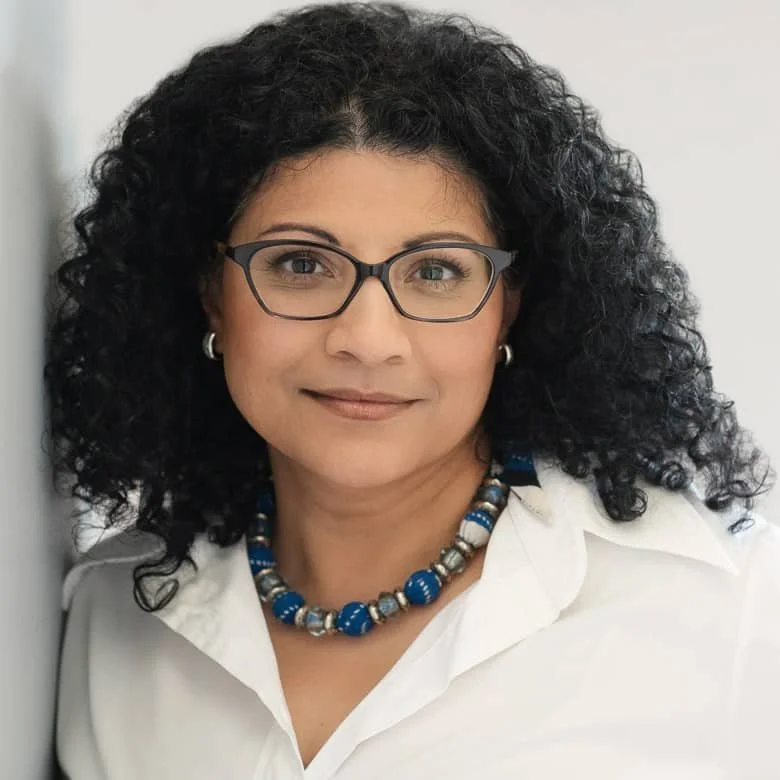
Before I trained as an Adler coach in 2012, I had already spent 20 years working in tech and corporate environments, including many years in senior roles where the expectations were high and the pressure was constant.
So when someone comes to me carrying a difficult stay-or-go career decision, I am not hearing it from the outside because I’ve lived it.
I know what it’s like to work through destabilizing change, reorgs, shifting mandates, layoffs, political complexity, and the kind of disruption and uncertainty that doesn’t stay neatly contained within your job, but starts to affect how you see yourself and your future.
I also know how isolating it can feel when your life looks good on paper, people assume you have it all figured out, and yet something in you knows otherwise.
Today, I work as a career decision coach for experienced professionals who are trying to decide whether to stay where they are or start looking for something else.
Most people come to me when they’ve been carrying a decision for too long, feel stuck in career indecision, and want support that helps them hear themselves think clearly again.
Why I became a coach
I wanted to become the kind of coach I wish I’d had when I needed it most.
Not someone to tell me what to do.
But someone who understood the world I was operating in, the weight of what I was carrying, and could help me trust what I already knew.
That’s the work I do today.
That includes helping people work through the kind of decision fatigue that builds up when a job decision has been sitting in the background for too long.
What it feels like to work with me
“You don't let your training/coaching mindset change how you approach your work. You're VERY human about your approach and style.”
— Alex Patreau
“From day one she could relate to exactly all the challenges I was facing, having worked in the industry herself and being a leader and woman in tech.”
— Roma Shah
A little more context
I live in Toronto, and came to this work through a life shaped by different countries, cultures, and ways of seeing the world.
That has influenced the way I listen: with fewer assumptions, more curiosity about what sits beneath the surface, and more attention to what often goes unsaid in conversations.
It has also made me more aware of how easily smart, accomplished people can lose touch with themselves when they’ve spent too long adapting to what is expected of them.
That way of listening is part of what I bring to this work too.
Many of my clients are experienced professionals in high-pressure environments who are trying to make an important career decision without losing themselves in fear, pressure, or other people’s opinions.
If that feels like the kind of support you’ve been looking for, you’re welcome to request a conversation.